5 Hidden Gems- 2026 Summer Escapes in India to Beat the March Heatwave
The IMD has just confirmed it: March 2026 is officially breaking heat records across India. Consequently, travelers are searching for the best 2026 summer escapes in India to avoid the ‘oven-like’ temperatures of the plains. Fortunately, Mavi GuideGrid has identified the ultimate altitude shifts that can save your summer.

While everyone else battles massive crowds in Manali and Ooty, these five hidden summer escapes in India remain secret ice-box destinations where temperatures can still drop below 15°C.
Don’t wait until the mercury hits 45°C. Use this exclusive Mavi GuideGrid to discover exactly where the smart travelers are heading during the March 2026 heatwave.
1. Valparai – The Best 2026 Summer Escape in South India
While Munnar is struggling with traffic, Valparai remains a misty, green sanctuary at 3,500 feet.
The Vibe:
An evergreen tea estate paradise perfect for “Glowmads” (travelers seeking wellness and skin-health retreats).
Temperature:
15°C to 25°C.
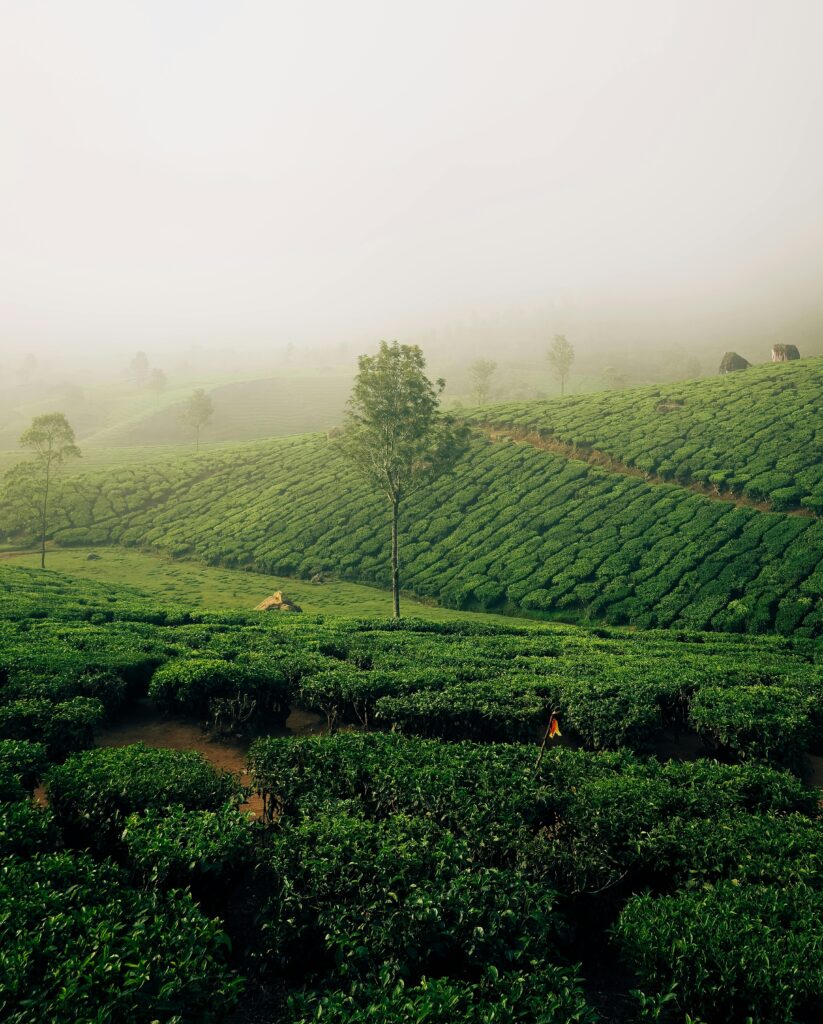
Valparai is famous for its misty, untouched hill station beauty, characterized by sprawling tea and coffee plantations, dense evergreen forests, rich wildlife (like the Nilgiri Tahr), and numerous waterfalls and dams, including Sholayar Dam, Aliyar Dam, and Monkey Falls.
Transportation Guide
Valparai, Tamil Nadu – The Tea-Scented Retreat
Nearest Hub: Coimbatore (105 km)
By Air: Fly into Coimbatore International Airport (CJB).
By Road: Hire a private taxi from Coimbatore or take a TNSTC bus from Ukkadam Bus Stand.
Pro Tip:
The drive includes 40 hairpin bends through the Western Ghats. If you’re driving, ensure your brakes are in top condition. Stop at Loam’s View Point for a bird’s-eye view of the Aliyar Dam.
2. Kalpa – A Snowy 2026 Summer Retreat
If you’re chasing the Altitude Shift travel trend, Kalpa is your final destination. In March, you witness a rare duality: lingering winter snow on the Kinner Kailash peaks and pink apricot blossoms in the valley.
The Vibe:
High-altitude serenity far from the Shimla crowds.
Temperature:
5°C to 15°C.
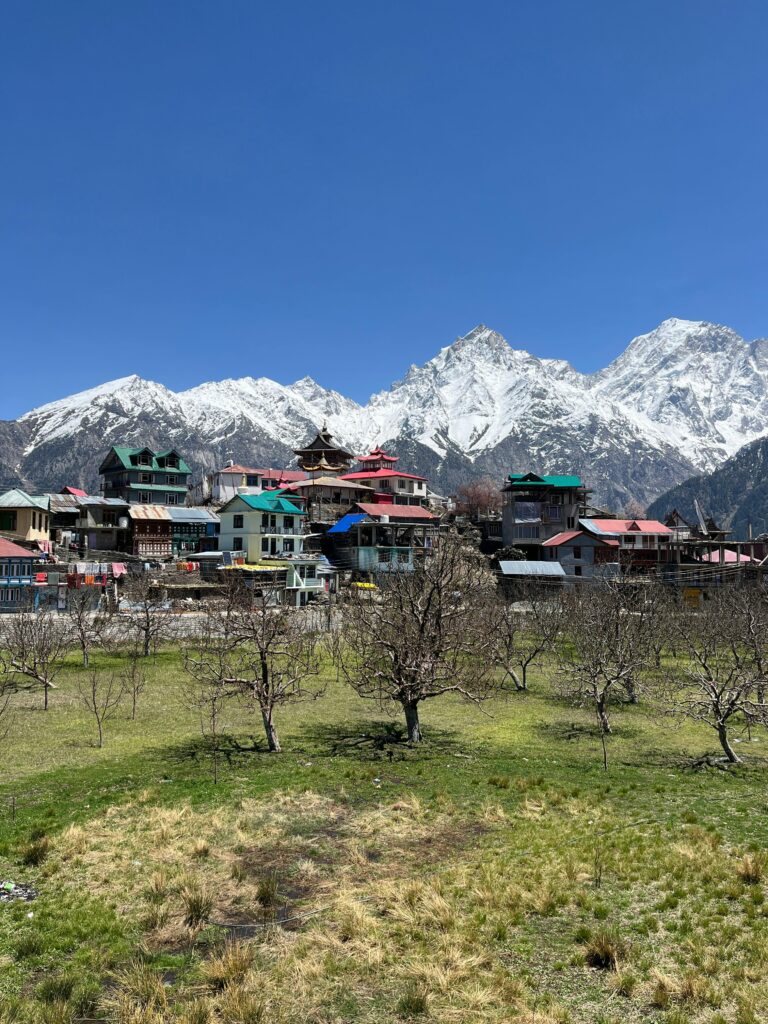
Kalpa, a village in Himachal Pradesh, India, is famous for its breathtaking views of the Kinner Kailash mountains, lush apple orchards (a major crop), rich blend of Hindu-Buddhist culture, traditional wooden houses, and serene Himalayan scenery, making it popular for trekking, photography, and peaceful escapes. It’s also known for its ancient temples and monasteries and the unique Kinnauri culture.
Pro Tip:
Book a traditional Kinnauri homestay to experience authentic mountain life.
Transportation Guide
Kalpa, Himachal Pradesh – The High-Altitude Sanctuary
Nearest Hub: Shimla (235 km) or Chandigarh (350 km)
By Train:
Take the scenic Kalka–Shimla Toy Train, then hire a cab to continue the journey.
By Road:
The most reliable route is:
Chandigarh → Shimla → Narkanda → Reckong Peo → Kalpa
HRTC Tip:
Frequent Himdhara buses run from Shimla to Reckong Peo. From Peo, it’s a 20-minute local taxi ride to Kalpa.
3. Munsiyari – The Ultimate Offbeat 2026 Summer Destination
Nestled at the base of the Panchachuli peaks, Munsiyari is for soul-searchers. It is one of the few accessible places in late March where you still need a heavy fleece jacket.
The Vibe:
Raw, untouched Himalayan beauty.
Temperature:
8°C to 18°C.
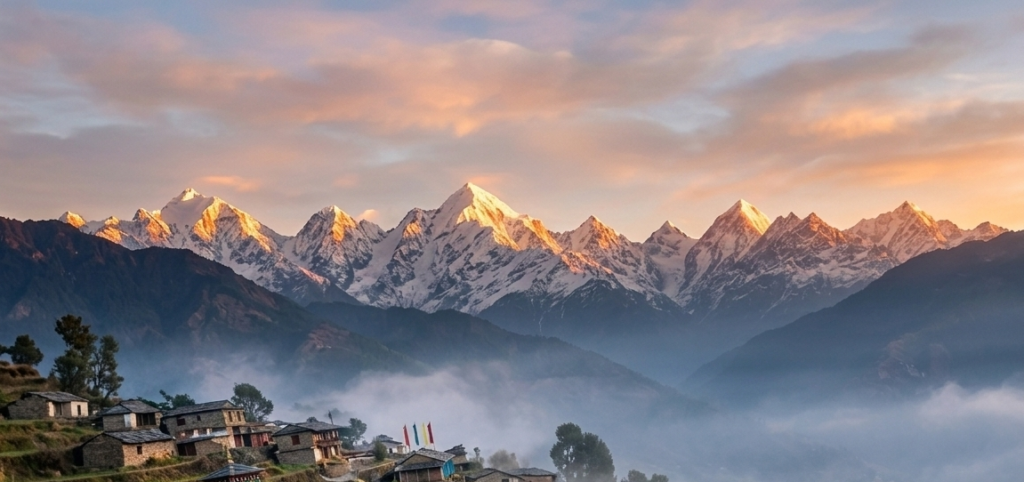
Munsiyari is a scenic hill station located in the Pithoragarh district of Uttarakhand, India, known for its breathtaking panoramic views of various Himalayan ranges. The area is a popular destination for trekkers and nature lovers, especially during the winter months when it is covered in a thick layer of snow.
2026 Sunset Schedule (Estimated IST):
January: 5:30 PM – 5:45 PM
February: 5:45 PM – 6:10 PM
March: 6:10 PM – 6:25 PM
Summer (May/June): 6:30 PM – 6:45 PM
Winter (Nov/Dec): 5:15 PM – 5:30 PM
Tips for Viewing:
- Best Locations: Sunset View Point, Betuli Dhar, and the Tourist Rest House area.
- Photography: The “golden hour” creates a brilliant, fiery orange glow on the snow-capped Himalayan peaks.
- Weather: Evenings can be very cold; pack heavy woolens, especially between November and March.
Transportation Guide
Munsiyari, Uttarakhand – The “Ice-Box” of Kumaon
Nearest Hub: Kathgodam (275 km)
By Train:
Take the Shatabdi Express or Ranikhet Express to Kathgodam Railway Station.
By Road:
The journey takes around 10–12 hours through the Kumaon hills.
Travel Tip:
Break your journey at Almora or Chaukori to avoid fatigue.
Shared Jeeps:
Reliable shared jeeps depart early morning (around 5:00 AM) from Kathgodam and Haldwani.
4. Chorla Ghats, Goa–Karnataka Border – The Jungle Reset
Think Goa is too hot in March? Head 60 km inland to the Chorla Ghats. The dense canopy of the Sahyadri mountains acts as a natural air conditioner, keeping the region 10°C cooler than the coast.
The Vibe:
A tropical rainforest immersion.
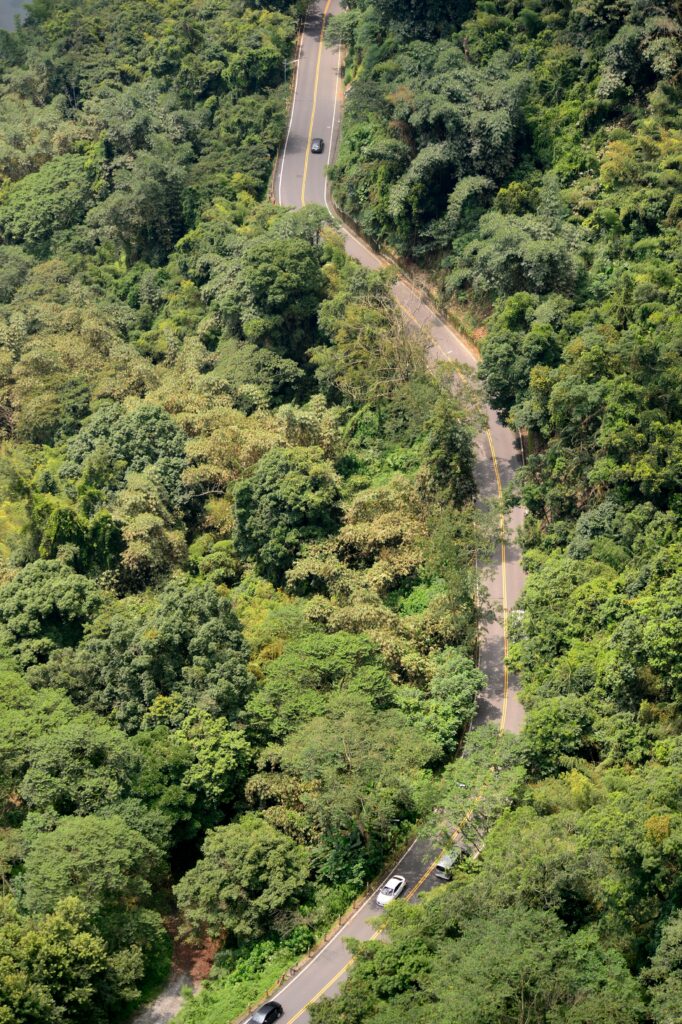
Chorla Ghat is an Indian nature destination, located on the intersection of the borders of the states of Goa, Karnataka, and Maharashtra. It lies to the north-east of Panaji, Goa (about 50 km (31 miles) by road) and nearly 55 kilometres (34 miles) from Belgaum in Karnataka. It is a part of the Western Ghats in the Sahyadri mountain range, and is at an elevation of 800 metres (2,600 feet). The ghat boasts of a few rare species of wild-life such as the barred wolf snake (Lycodon striatus) in its sub-tropical forests.
Travel Tip:
Perfect for a 2-day “micro-cation” from Panjim or Belgaum.
Transportation Guide
Chorla Ghats, Goa–Karnataka Border – The Tropical Shield
Nearest Hub: Panjim (65 km) or Belgaum (55 km)
By Air:
Fly into Dabolim Airport (Goa) or Belgaum Airport.
By Road:
Best explored with a self-drive car or bike from North Goa.
The scenic Sanquelim route passes through dense forests that naturally reduce temperatures compared to coastal Goa.
5. Ziro Valley, Arunachal Pradesh – The Soulful Plateau
Ziro Valley is a UNESCO World Heritage Site candidate that offers a naturally cool plateau climate. The pine-covered hills and sprawling rice fields create a constant, refreshing breeze.
The Vibe:
A deep cultural reset with the Apatani tribe.
Temperature:
12°C to 22°C.
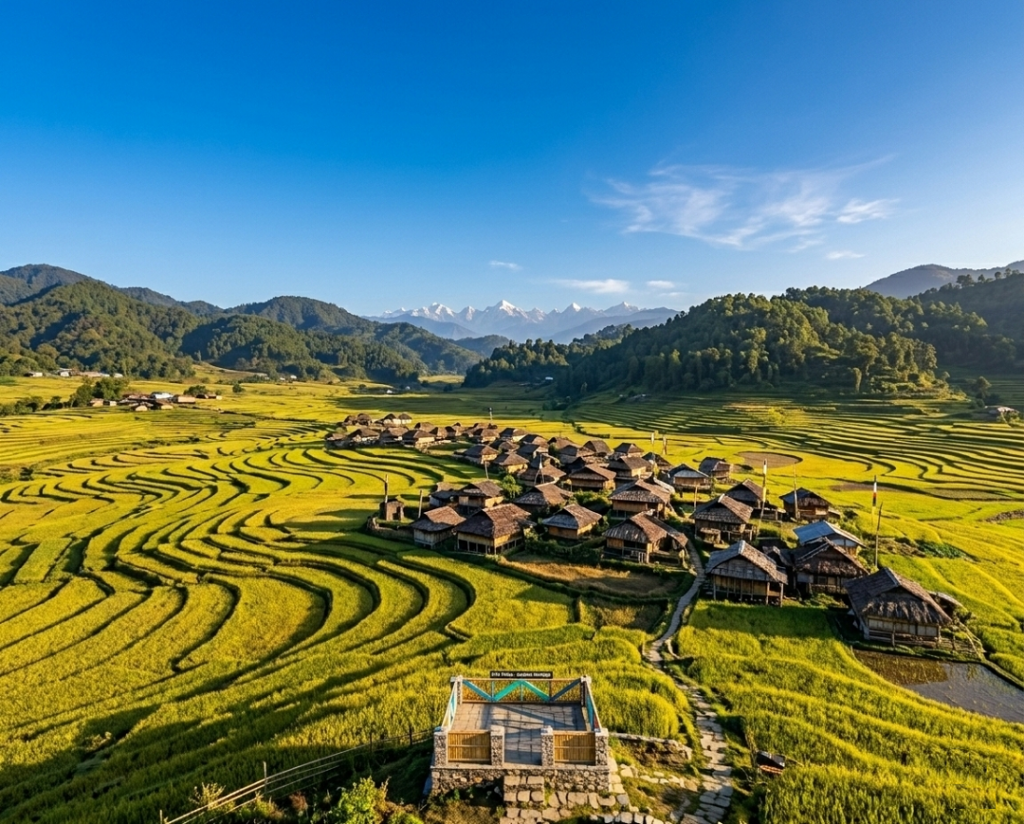
Ziro Valley in Arunachal Pradesh is famous for its stunning landscapes of pine-clad hills and terraced rice fields, the unique culture of the Apatani tribe (known for sustainable wet rice-cum-pisciculture and traditional crafts), and the popular Ziro Music Festival, making it a hub for nature, culture, and eco-tourism.
Key Highlights:
- Apatani Tribe: The valley is home to the Apatani people, renowned for their sustainable farming, distinctive traditional homes, and vibrant textiles.
- Unique Agriculture: They practice a unique poly-culture of wet rice and fish farming, creating beautiful, water-filled paddy fields.
- Ziro Music Festival: An acclaimed outdoor festival celebrating independent music, drawing artists and visitors from around the world.
- Natural Beauty: It’s a picturesque destination with lush forests, serene valleys, and a cool climate, attracting nature lovers.
- UNESCO Recognition: Ziro Valley is recognized as a candidate for UNESCO World Heritage status due to its unique culture and landscape.
In essence, Ziro offers a captivating blend of natural splendor, rich cultural traditions, and modern music.
Transportation Guide
Ziro Valley, Arunachal Pradesh – The Cool Plateau
Nearest Hub: Itanagar (120 km) or Guwahati (440 km)
By Air:
New for 2026 — fly directly into Donyi Polo Airport (Holongi) near Itanagar.
By Train:
Take the Donyi Polo Express from Guwahati to Naharlagun, then a 4-hour taxi ride to Ziro Valley.
Entry Permit:
Travelers must apply for an Inner Line Permit (ILP) online before entering Arunachal Pradesh.
🎒 2026 Summer Travel FAQ
Ans: As of March 2026, high-altitude destinations like Kalpa (Himachal Pradesh) and Munsiyari (Uttarakhand) maintain temperatures between 5°C and 15°C, making them ideal escapes from the heatwave.
Ans: Yes, but hydration is essential. Stick to high-altitude “Altitude Shift” destinations and avoid road travel during peak sun hours (12 PM – 4 PM).